
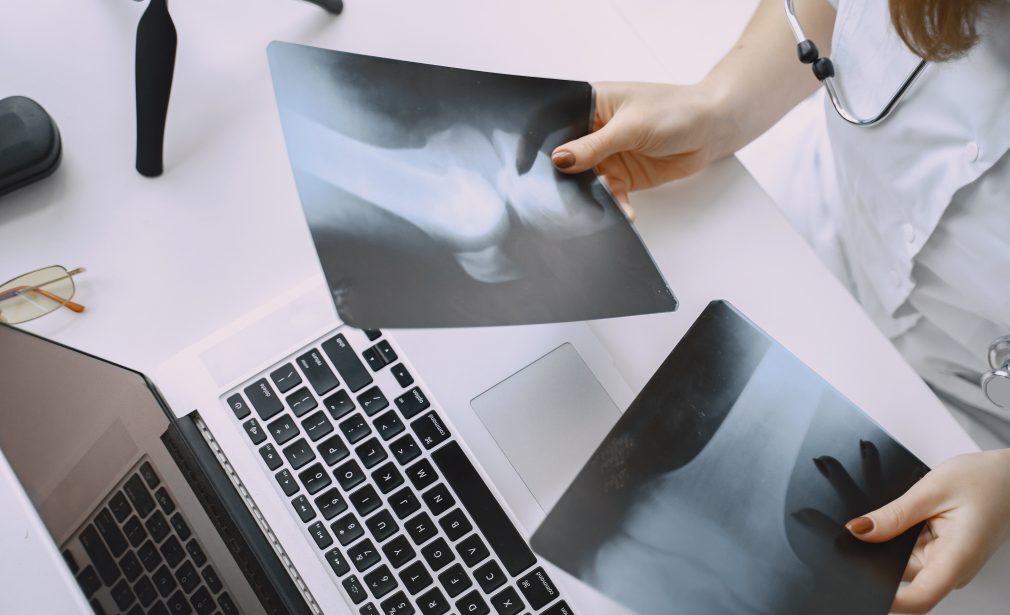
The Problem: When Does a Fracture Need Surgery?
A fracture is always a shock and a sudden limitation of life. However, not all fractures are the same. Sometimes a traditional cast is simply not enough:
- Displaced Fractures: If bone fragments have moved apart, they will not heal correctly on their own, leading to deformity and chronic pain.
- Intra-articular Fractures: When a break enters a joint, perfect alignment (down to the millimeter) is critical to prevent rapid onset of osteoarthritis.
- Unstable Fractures: Some injuries cannot be held in place by a cast because muscles constantly pull the fragments in different directions.
- Risks of Immobility: Traditional casting often leads to muscle atrophy, blood clots, and joint stiffness (contractures).
Methodology: Restoring Anatomy and Stability
Metal Osteosynthesis (ORIF — Open Reduction Internal Fixation) is the “gold standard” in modern traumatology. It is a procedure where we perfectly realign bone fragments and secure them with specialized implants.
Our Principles:
- Anatomical Precision: We assemble the bone like a puzzle, restoring its original shape.
- Stable Fixation: Using titanium plates, nails, or screws, the fragments are held so securely that you can begin moving the limb within just a few days.
- Biocompatibility: I use only high-quality titanium alloys. They are non-allergenic, body-compatible, and do not set off metal detectors.
The Surgical Process and Recovery
- Advanced Imaging: We use X-ray control (C-arm) directly in the operating room to see the implant’s position in real-time through miniature incisions.
- Early Mobilization: The main goal of osteosynthesis is to avoid heavy casts. By day 2–3, we begin exercises to keep muscles toned and prevent swelling.
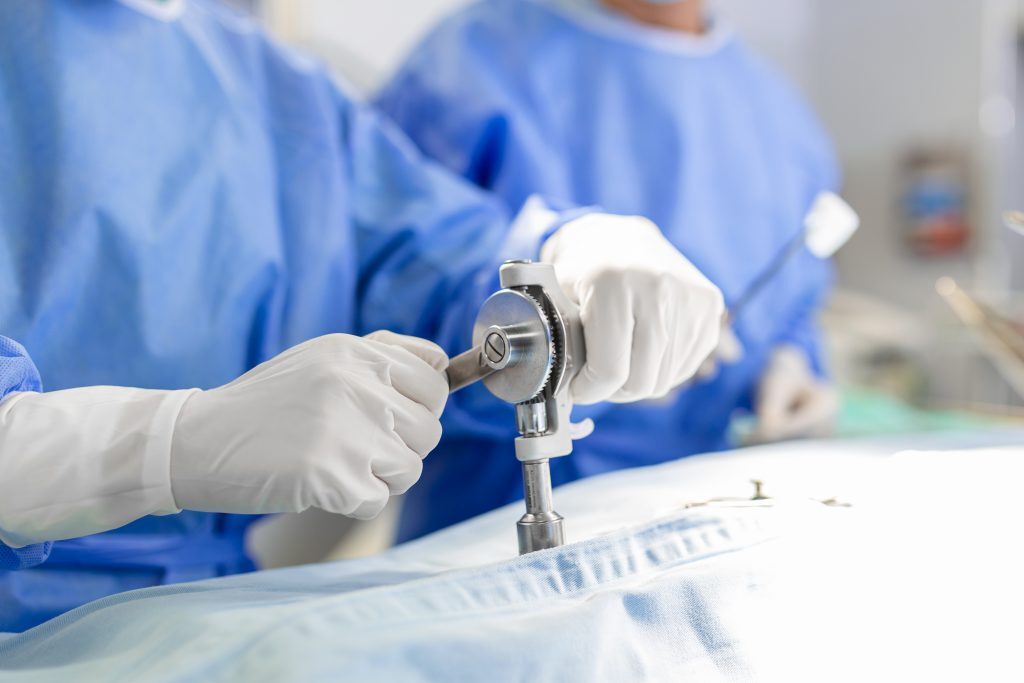
Rehabilitation: Mobility Without Months of Waiting
The primary goal of metal osteosynthesis is to eliminate the need for heavy plaster casts.
- Early Mobilization: We begin mobilizing adjacent joints as early as days 2-3. This keeps the muscles toned and prevents swelling.
- Personalized Monitoring: I personally supervise each patient post-surgery, designing a weight-bearing schedule for the limb based on the specific bone healing rate.
- Physiotherapy: The use of advanced recovery techniques in our clinic helps accelerate tissue regeneration.
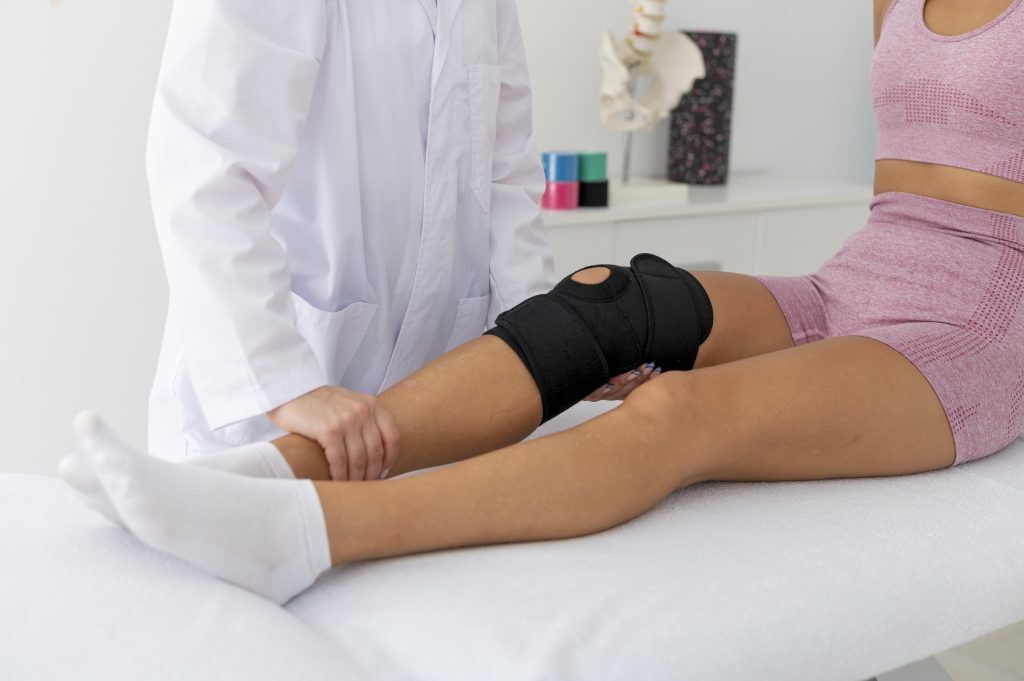
Frequently Asked Questions: Osteosynthesis
If the implant does not cause discomfort, interference, and the patient does not engage in extreme sports, titanium can remain in the body permanently. The decision regarding removal is made on an individual basis, typically one year after surgery.
Surgery ensures that the bone heals in its correct anatomical position. Furthermore, you can return to an active lifestyle much sooner, avoiding complications such as muscle atrophy and joint stiffness caused by prolonged casting.
Yes. Modern titanium implants are non-ferromagnetic, meaning they do not shift or heat up inside an MRI machine. They are completely safe for diagnostic imaging.
Depending on the complexity of the fracture, the procedure typically lasts from 40 minutes to 2 hours.